
Essential Travel Basics Before Visiting Catanduanes
Overview of Catanduanes
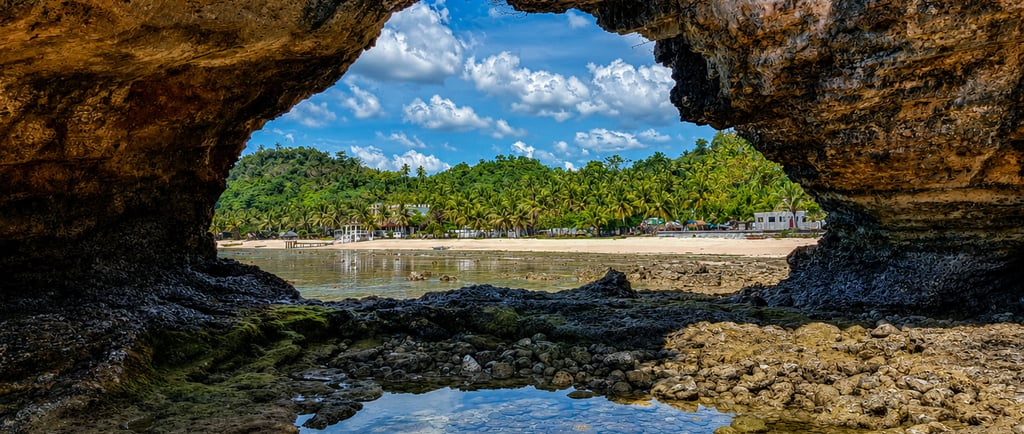
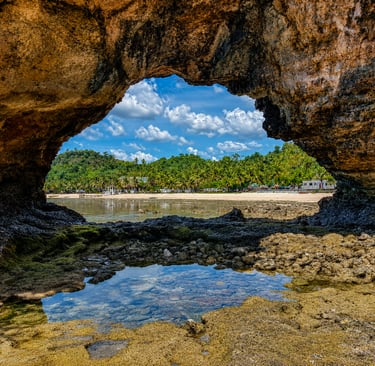
Catanduanes is a stunning island province situated in the Bicol region of the Philippines, offering a captivating blend of natural beauty and rich cultural heritage. It is often characterized by its picturesque coastlines, making it a preferred destination for beach lovers and those seeking to immerse themselves in tranquil surroundings. The island is home to a number of pristine beaches, including the well-known Binurong Point and Puraran Beach, the latter of which is famous for its excellent surfing conditions.
Beyond its scenic beaches, Catanduanes is adorned with lush landscapes that feature rolling hills, verdant rice paddies, and tropical forests. This biodiversity contributes to the island’s charm, providing ample opportunities for eco-tourism. Visitors can embark on trekking adventures through its unspoiled terrain, where they can discover hidden waterfalls and observe the vibrant local flora and fauna. Such natural attractions are complemented by the province's rich history and vibrant local culture, offering travelers an authentic experience far removed from the more commercialized tourist spots.
The communities in Catanduanes are known for their resilience, having adapted to the challenges of island life, including occasional typhoons. The local inhabitants, or Catandunganons, take pride in their cultural traditions, which are deeply rooted in their way of life. It is this authenticity, along with the untouched beauty of the landscape, that distinguishes Catanduanes from other tourist destinations in the Philippines. By understanding these unique features, potential travelers can better appreciate the island and plan a more enriching visit that aligns with their desire for genuine experiences.
How to Get to Catanduanes
Reaching Catanduanes, known for its stunning landscapes and vibrant culture, can be accomplished through various means of transportation. The most common methods include traveling by bus and ferry or opting for a faster flight.
For budget-conscious travelers, the bus and ferry combination is the most economical option. Start your journey by taking a bus from Manila to the coastal town of Tabaco in Albay province. Several bus companies operate this route, and the journey typically takes around 10 to 12 hours, depending on traffic and road conditions. Once in Tabaco, you will need to board a ferry to Catanduanes. The ferry ride from Tabaco to either San Andres or Virac usually lasts about 1.5 to 3 hours, offering picturesque views of the surrounding waters.
Alternatively, for those who prefer a quicker route, flights to Catanduanes are available from several domestic airlines. A direct flight from Manila to Virac takes approximately one hour. However, this option tends to be more expensive compared to the bus and ferry combination. It is advisable to book your tickets early to secure a good rate.
Upon arrival, travelers will find themselves in either San Andres or Virac, which serve as the primary ports of entry to Catanduanes. San Andres is generally the more frequented port, while Virac offers a more direct route to the capital city. When deciding on your travel method, consider the balance between budget and time, factoring in both the cost of tickets and the duration of the journey. Be sure to check ferry schedules and flight availability in advance to ensure a smooth travel experience. Overall, both options have their unique advantages, catering to different preferences among travelers.
Best Time to Visit
When planning a trip to Catanduanes, understanding the seasonal weather patterns is crucial for maximizing your experience. The optimal time to visit this beautiful island is during the dry season, which typically runs from March to May. This period is characterized by warm and sunny weather, making it perfect for an array of beach activities such as swimming, snorkeling, and sunbathing. The vibrant sunshine also provides ideal lighting conditions for photography enthusiasts, allowing for stunning shots of the island’s picturesque landscapes and pristine beaches.
In contrast, the rainy season, which spans from June to January, presents a different set of circumstances for visitors. While the rainy months might deter some tourism, there are benefits to be gained for those who choose to explore Catanduanes during this time. The abundant rainfall contributes to lush, green landscapes, which can be particularly appealing for nature lovers and photographers seeking a unique view of the island’s scenery. Additionally, these months offer excellent surfing opportunities, as the waves become more formidable, attracting surf enthusiasts from various regions.
However, it is important to consider the downsides of visiting during the rainy season. The likelihood of typhoons increases, potentially leading to severe weather conditions that can disrupt travel plans. Moreover, rough seas can render certain water activities dangerous, as well as affect ferry schedules and other transportation options. Therefore, while visiting Catanduanes during the rainy season may have some advantages, such as fewer crowds and greener landscapes, it is advisable to be well-prepared for the unpredictability of the weather.
What to Bring
When preparing for a trip to Catanduanes, travelers should consider packing a well-thought-out assortment of essentials and optional items. The diverse landscapes and activities available on the island call for a variety of clothing and gear. For clothing, lightweight, breathable fabrics are recommended to accommodate the tropical climate. Cotton shirts, shorts, and dresses are suitable for daily wear, while a light jacket or sweater may be necessary for the cooler evenings.
Beachwear is essential as Catanduanes is renowned for its stunning beaches. Swimsuits, cover-ups, and flip-flops should be on your packing list. It is advisable to include a waterproof bag to protect personal items during island hopping excursions, which are popular among visitors. Waterproof bags not only guard against splashes but also keep belongings dry during unexpected weather changes.
Travelers pursuing outdoor adventures should consider outdoor gear such as trekking shoes, a hat, and sunscreen. Catanduanes boasts picturesque hiking trails, and appropriate footwear can enhance the experience. Additionally, insect repellent may be beneficial when exploring lush areas.
Lastly, don't forget to include essential tech gadgets to capture the beauty of Catanduanes. A reliable camera, portable chargers, and a good smartphone for navigation and communication are indispensable. Ensure that your devices are protected against moisture, especially if you plan to explore beaches or waterfalls.
In summary, packing for a trip to Catanduanes requires thoughtful consideration of clothing, beachwear, outdoor gear, and tech gadgets. By adequately preparing for the unique weather conditions and activities, travelers can ensure a comfortable and enjoyable visit to this beautiful island destination.
Budget Expectations
When planning a trip to Catanduanes, one of the essential travel basics to consider is the budget. The expected daily budget can vary significantly based on the type of traveler, including backpackers, mid-range tourists, and luxury vacationers. Understanding the financial requirements can aid in better preparation for an enjoyable stay.
For backpackers, a budget of approximately PHP 800 to PHP 1,500 per day would be sufficient. This range includes basic accommodation such as hostels or guesthouses which generally cost around PHP 300 to PHP 800 per night. Local transport options like jeepneys and tricycles are affordable, adding roughly PHP 100 to PHP 300 to daily costs. Meals at local eateries can cost as little as PHP 50 to PHP 150, contributing to a budget-friendly experience.
Mid-range travelers can expect to spend between PHP 1,500 and PHP 3,000 per day. This budget accommodates more comfortable accommodations, such as boutique hotels or beachfront resorts, which typically charge between PHP 1,000 and PHP 2,000 per night. Additionally, travelers should anticipate spending about PHP 300 to PHP 700 for transportation and tours exploring the scenic sites. Dining at established restaurants will also increase meal expenses to around PHP 150 to PHP 500.
For luxury travelers, the budget can reach PHP 3,000 and up per day. Upscale accommodations may exceed PHP 2,000, while fine dining experiences can range between PHP 500 to PHP 1,500 per meal. Guided tours or private transportation will further increase the overall cost.
In comparison to other popular tourist destinations in the Philippines, such as Boracay or Palawan, Catanduanes offers a relatively affordable experience. The overall cost of accommodations, activities, and dining in Catanduanes can be less than those in the more commercial areas, making it an attractive option for budget-conscious travelers. Thus, planning your financials in advance ensures a smooth and enjoyable journey to this stunning destination.
Connectivity and Essentials
When planning a visit to Catanduanes, understanding the mobile connectivity and banking facilities available is crucial for a smooth travel experience. The primary mobile service providers in the area, such as Globe and Smart, offer varying levels of coverage. In more urban areas like the capital city, Virac, mobile signals are generally strong, allowing for seamless communication and access to internet services. However, as you venture into remote regions of the island, the mobile signal may become inconsistent, thus it's advisable to inform your contacts of potential connectivity issues prior to your journey.
For those needing to manage their finances while in Catanduanes, banking facilities are limited. The city of Virac is home to several banks and ATMs, providing essential services such as cash withdrawals and fund transfers. Travelers should be aware that ATMs may be less common in rural towns, so it is wise to withdraw sufficient cash when in Virac. Additionally, credit card acceptance is not universal across all establishments in less populated areas; thus, carrying cash is highly recommended.
In terms of internet access, various cafes and accommodations in Virac offer free Wi-Fi, although the reliability and speed of the connection can fluctuate. Visitors seeking a more dependable internet experience should consider staying in establishments known for excellent connectivity. When exploring more remote areas, prepare for potential challenges with internet access, as speed can be quite slow or, in some cases, unavailable. Downloading maps and relevant travel apps before heading out into these areas can enhance your mobility and ensure you stay connected to essential resources.
Respecting the Island and Community
Traveling to Catanduanes is not just about enjoying its stunning landscapes and rich culture, but also about embracing the significant responsibility that comes with visiting this beautiful island. Responsible travel is crucial to ensuring that we respect the local customs, traditions, and the communities that welcome us. Each traveler has a role in preserving the unique identity and natural beauty of Catanduanes.
To illustrate, it is important to familiarize oneself with local etiquette and traditions before engaging with residents. Simple gestures, such as greeting locals in their native dialect or observing cultural practices respectfully, can foster meaningful connections. Understanding the value of these customs not only enhances your travel experience but also honors the community's heritage.
Moreover, supporting local businesses is vital for the sustainability of the island's economy. Travelers can contribute positively by choosing to dine at local eateries, purchase handcrafted souvenirs from artisans, and participate in community-led tours. This not only provides a more authentic experience but also helps the community thrive and strengthens the economic stability of the region.
In addition to cultural respect, environmental sustainability should be a priority for every visitor. The breathtaking landscapes of Catanduanes are a treasure that must be preserved for future generations. Actions such as avoiding littering, using eco-friendly products, and minimizing plastic usage can significantly mitigate the environmental impact of tourism. Engaging in activities like beach clean-ups or using local transport options can also help maintain the ecological balance of the island.
Therefore, as you prepare for your trip to Catanduanes, remember that every choice contributes to the preservation of its charm and authenticity. Responsible travel ensures that the island remains a beautiful destination for both current and future visitors, while also fostering a supportive relationship with the local community.