
Boracay vs. Catanduanes: A Comprehensive Beach Comparison

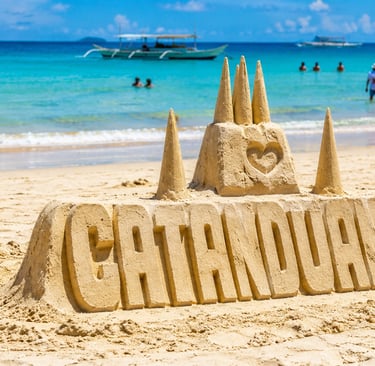
Introduction to Boracay and Catanduanes
Boracay and Catanduanes are two of the most celebrated beach destinations in the Philippines, each offering distinctive experiences for travelers seeking sun, sand, and sea. Boracay is renowned for its powdery white beaches, most notably White Beach, which has consistently been ranked among the best in the world. The island's vibrant nightlife, water sports activities, and luxury accommodations have contributed to its popularity as a premier destination for both local and international tourists.
Conversely, Catanduanes is often referred to as the "Garden of the East" due to its lush landscapes and rugged coastline. This island province is less commercialized than Boracay, providing visitors with a more tranquil and authentic experience. Notably, Catanduanes boasts stunning beaches like Puraran, twin rock, mamangal beach, attracting those in search of unspoiled natural beauty and opportunities for surfing, particularly during the monsoon season.
Geographically, Boracay is located in the Western Visayas region, easily accessible by air and sea transport. In contrast, Catanduanes lies in the Bicol region, separated from the mainland by a small sea, which can be traversed via ferry. Over the years, both destinations have evolved, with Boracay undergoing significant development that has enhanced its global reputation while also raising concerns about environmental sustainability. Meanwhile, Catanduanes is gradually gaining recognition due to its untouched charm and cultural heritage, making it an emerging destination for eco-tourism and adventure seekers.
The cultural significance of both locations is noteworthy; Boracay epitomizes the vibrant, cosmopolitan lifestyle that appeals to diverse travelers, while Catanduanes showcases rich local traditions and a close-knit community atmosphere. Together, these two destinations represent the diverse beauty of the Philippines, each catering to different preferences and expectations.
Beaches of Boracay and Catanduanes: A Comparison
When considering beach destinations in the Philippines, Boracay and Catanduanes offer unique characteristics that cater to various preferences. Boracay is globally recognized for its stunning White Beach, featuring powdery, fine white sand that stretches for approximately four kilometers. The beach is celebrated for its crystal-clear waters and vibrant nightlife, making it a favored spot for beachgoers seeking both relaxation and entertainment. The beachfront is lined with numerous resorts, bars, and restaurants, enhancing its lively atmosphere.
In contrast, Catanduanes, often referred to as the "Land of the Howling Winds," boasts pristine beaches such as Virac and baras. These beaches are less commercialized compared to Boracay, providing a more serene and tranquil environment. The sands here may not be as fine as those of Boracay, yet they offer remarkable beauty and unspoiled nature, complemented by lush green surroundings and rocky formations that add to photogenic landscapes.
In terms of activities, Boracay is a hub for water sports. Tourists can engage in a variety of activities including parasailing, jet skiing, and paddle boarding. Snorkeling and scuba diving are also popular, with numerous spots available for exploration. The island's vibrant atmosphere includes beach parties that attract both locals and foreigners, making it a dynamic environment for socializing.
On the other hand, Catanduanes presents a more laid-back approach, focusing on nature-oriented activities. Visitors can explore the natural beauty through surfing, beachcombing, and hiking. The less crowded beaches foster a sense of peace that appeals to those looking to escape the hustle and bustle. The surrounding scenery offers breathtaking views, perfect for photography and relaxation, catering especially to those who appreciate nature over nightlife.
Crowds and Tourist Experience
When evaluating the beach destinations of Boracay and Catanduanes, one significant aspect to consider is the crowd levels and overall tourist experience. Both locations attract visitors for their stunning beaches, but their appeal stems from different types of atmospheres and experiences they offer.
Boracay is well known for its vibrant nightlife and bustling atmosphere. It tends to attract large crowds, particularly during the peak season from December to May, when local and international tourists flood its famous White Beach. During this time, visitors can expect a lively scene filled with beach parties, water sports, and numerous dining options. While the vibrancy is appealing to many, the experience can sometimes be overwhelming due to the heightened levels of activity and number of people. Travelers seeking social engagement and a dynamic environment may find Boracay's crowded beaches fitting for their preferences.
On the other hand, Catanduanes offers a more laid-back and tranquil experience. Less frequently visited than Boracay, it remains a hidden gem, making it an ideal choice for those who prefer to escape the hustle and bustle of tourist-heavy areas. While Catanduanes does see an influx of visitors during peak holidays like Holy Week and summer vacations, the overall visitor count is considerably lower. This allows tourists to enjoy a more serene beach experience, with fewer crowds and a stronger connection to nature. Travelers looking for a peaceful retreat, where they can relax and unwind in a less commercialized setting, will likely prefer the beaches of Catanduanes.
In essence, the choice between Boracay and Catanduanes ultimately hinges on personal preferences regarding crowd tolerance. Whether one seeks the vibrant atmosphere of Boracay or the tranquility of Catanduanes, understanding the crowd dynamics of each destination enhances the overall tourist experience.
Budget Considerations: Price Comparison and Value
When deciding between Boracay and Catanduanes, budget considerations play a crucial role in a traveler's choice. Each destination offers unique experiences with varying price points. Evaluating accommodation options is a good starting point. Boracay, being a popular tourist hotspot, tends to offer a broader array of accommodations ranging from budget hostels to luxury resorts. This variability often leads to higher average costs. In contrast, Catanduanes features a more modest range of lodging options, typically at lower prices, making it potentially more budget-friendly for travelers seeking economical stays.
Food expenses are another factor worth examining. Boracay is known for its extensive selection of dining establishments that cater to a variety of tastes and budgets. While affordable street eats exist alongside high-end fine dining, prices generally skew high due to the demand from the influx of tourists. Conversely, Catanduanes can be a more economical choice, offering local eateries that serve inexpensive yet fulfilling meals, allowing visitors to experience authentic Filipino cuisine without straining their wallets.
Transportation costs between the two destinations also merit consideration. Boracay requires additional transfers via boat or plane, which can add to travel expenses. Meanwhile, Catanduanes typically involves simpler connections, beneficial for budget-conscious tourists looking to minimize transport costs. Additionally, activities in Boracay, such as island hopping and water sports, often come at premium rates, while Catanduanes provides nature-based recreational options that may be offered at lower costs or even free of charge, presenting excellent value for outdoor enthusiasts.
In conclusion, while Boracay boasts vibrant nightlife and popular attractions, the overall value and affordability of Catanduanes cannot be overlooked. Each destination has its merits, and a successful beach getaway ultimately hinges on the traveler's budget and expectations.